A Comprehensive Guide to Understanding PTFE Teflon Gaskets

Introduction to PTFE Teflon Gaskets
What is PTFE and Its Properties?
Polytetrafluoroethylene stands out as a high-performance fluoropolymer with exceptional chemical resistance and thermal stability. PTFE maintains integrity across temperatures from -200°C to 260°C while repelling water, oils, and most solvents. Its low friction coefficient makes it ideal for sealing applications where movement or vibration occurs. PFTE teflon gasket manufactuer facilities produce components that withstand aggressive media without degradation or contamination.
Engineers value PTFE for its non-stick surface and dielectric strength. The material resists creep under load yet remains flexible enough for irregular flange surfaces. These traits set PTFE apart from rubber or graphite alternatives in demanding environments.
Overview of Teflon Gaskets
Teflon gaskets deliver reliable sealing in flanges, valves, and pumps exposed to corrosive fluids. Teflon PTFE combines the base polymer with fillers to enhance mechanical strength without sacrificing chemical inertness. Manufacturers compress and sinter PTFE into sheets or molded forms before cutting precise shapes.
These gaskets handle pressures up to several thousand psi depending on thickness and reinforcement. Their white color and smooth finish simplify visual inspection during installation. PTFE tapes often wrap threaded connections as a complementary sealing method in the same systems.
Importance of Gaskets in Various Industries
Gaskets prevent leaks that could halt production or create safety hazards. In power generation, chemical plants, and food processing, a failed seal risks equipment damage and regulatory violations. PTFE excels because it meets FDA and USP standards for purity while enduring repeated thermal cycling.
Operators rely on consistent gasket performance to maintain uptime. Proper selection reduces maintenance intervals and extends service life of connected components such as piping and valves. Industries standardize on PTFE to simplify inventory across multiple process lines.
Types of PTFE Gaskets

Standard PTFE Gaskets
Standard PTFE gaskets come in virgin or filled grades cut from sheet stock. Virgin material offers maximum purity for sensitive processes, while glass or carbon fillers increase resistance to cold flow. Fabricators machine these sheets into rings, envelopes, or full-face designs to match flange dimensions exactly.
Standard constructions suit most general-purpose sealing needs in pipe and tube systems. They install quickly with minimal torque and maintain seal integrity after repeated opening and closing cycles. Many plants stock standard sizes for immediate replacement during shutdowns.
Expanded PTFE (ePTFE) Gaskets
Expanded PTFE forms a microporous structure that compresses easily yet recovers well after decompression. ePTFE seals conform to rough or damaged flange faces where rigid materials fail. The material tolerates higher temperatures and pressures than many elastomers while remaining chemically inert.
Technicians choose ePTFE for applications involving steam, acids, or solvents. Its fibrous texture creates multiple sealing points that reduce the risk of blowout. ePTFE sheets also convert into custom gaskets without expensive tooling.
PTFE Membranes and Their Applications
PTFE membranes combine thin films with porous backings to allow gas or liquid passage while blocking particulates. These membranes appear in filtration housings, breathers, and vent gaskets where pressure equalization must occur without contamination. ptfe membranes maintain hydrophobicity even after prolonged exposure to aggressive chemicals.
Manufacturers laminate PTFE to support layers such as LDPE or nylon for added durability. The resulting composite withstands repeated sterilization cycles in pharmaceutical and bioprocessing equipment. PTFE membranes also serve in environmental monitoring devices that sample air or water continuously.
Teflon O-Rings and O-Ring Gaskets
Teflon o-rings provide static and dynamic sealing in grooves where elastomers would swell or degrade. Encapsulated designs place a silicone or FKM core inside a PTFE jacket to add resilience while preserving chemical resistance. o-ring gasket profiles suit both radial and face-sealing configurations.
Engineers specify Teflon o-rings for cryogenic valves and high-purity ethylene transfer lines. The low gas permeability prevents leakage in vacuum or pressurized systems. Proper groove design ensures the o-ring compresses evenly without extrusion.
Manufacturing PTFE Teflon Gaskets
Processes in PTFE Gasket Manufacturing
Production begins with PTFE resin blended with fillers then compacted into preforms. Sintering at controlled temperatures fuses particles into solid sheets or billets. Skiving machines slice these billets into precise thicknesses before die cutting or CNC routing creates finished gaskets.
Some facilities mold complex shapes directly in heated presses to minimize waste. Post-processing includes annealing to relieve internal stresses and surface treatment for better adhesion when bonding occurs. Each step follows documented procedures to ensure dimensional accuracy.
Common Materials Used in Production
Virgin PTFE resin forms the base for most gaskets, while glass microspheres, bronze, or graphite improve wear resistance. Supporting layers may incorporate LDPE or nylon to strengthen PTFE membranes or tapes. Ethylene copolymers sometimes modify flexibility for specific temperature ranges.
Manufacturers source only high-purity resins to avoid metallic contaminants. Filler selection depends on the target application, such as carbon for electrical conductivity or silica for abrasion resistance. Consistent material lots guarantee repeatable performance across production runs.
Quality Control Measures for Gasket Manufacturing
Inspectors measure thickness, density, and tensile strength on every batch. They perform leak tests using helium or nitrogen at elevated pressures to verify seal integrity. Dimensional checks against CAD drawings catch deviations before shipment.
Traceability systems record resin lot numbers and process parameters for each gasket. Third-party audits confirm compliance with ISO and industry-specific standards. These controls minimize field failures and support customer validation requirements in regulated sectors.
Applications of PTFE Teflon Gaskets

Use in Pharmaceutical Industries
Pharmaceutical manufacturers demand gaskets that release no extractables into product streams. PTFE meets USP Class VI requirements and withstands clean-in-place and steam-in-place protocols. Envelope gaskets with PTFE facings protect stainless flanges in bioreactors and transfer lines.
Facilities also deploy PTFE tapes around fittings to eliminate dead legs where microbes could accumulate. Consistent sealing prevents cross-contamination between batches. PTFE components simplify validation because their inert nature produces predictable results during extractables testing.
PTFE Gaskets in Piping and Tubing
Piping systems carrying aggressive fluids rely on PTFE gaskets to maintain joint integrity under thermal expansion and contraction. Full-face designs cover entire flange surfaces and reduce stress concentrations. In tubing applications, PTFE envelope gaskets seal glass or plastic connections without damaging delicate ends.
Installers cut custom shapes on-site from sheet stock when standard sizes do not fit. PTFE tape wraps male threads on pipe and tube assemblies to create secondary seals. These practices keep systems leak-free even after years of service in outdoor or buried installations.
Applications in Chemical Processing
Chemical plants expose seals to concentrated acids, bases, and solvents daily. PTFE resists attack from nearly all media except molten alkali metals and certain fluorinated compounds. Gaskets in reactors, heat exchangers, and distillation columns prevent fugitive emissions that trigger environmental reporting.
Operators replace older asbestos or rubber gaskets with PTFE to extend maintenance intervals. The material handles rapid temperature swings during batch processing without hardening or cracking. PTFE also serves in lined pipe where the gasket must match the liner material for uniform corrosion protection.
Choosing the Right PTFE Teflon Gasket Manufacturer
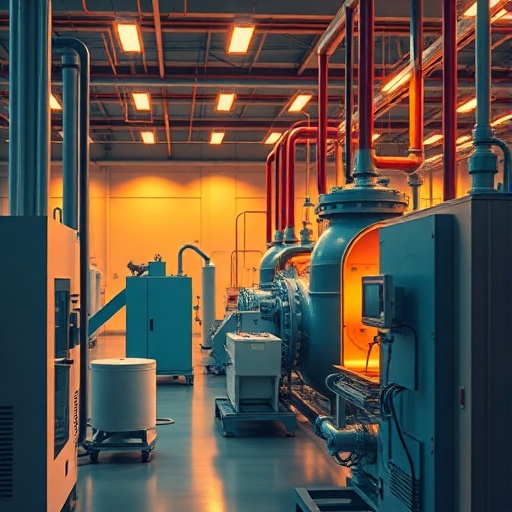
Factors to Consider When Selecting a Manufacturer
Buyers evaluate a PTFE teflon gasket manufacturer on material traceability, custom fabrication capability, and delivery speed. Facilities with in-house skiving and CNC cutting reduce lead times for non-standard sizes. Technical support during material selection helps match gasket grade to exact process conditions.
Certifications such as ISO 9001 and FDA registration indicate robust quality systems. Customers also review failure analysis support and warranty terms before committing to long-term supply agreements. Site audits confirm cleanroom capabilities when ultra-pure gaskets are required.
Notable PTFE Gasket Manufacturers
Several established producers specialize in PTFE components for global markets. These companies maintain extensive inventories of standard gaskets while offering rapid turnaround on custom orders. They also develop proprietary filled compounds that improve performance in specific temperature or pressure regimes.
Leading manufacturers invest in research to expand PTFE applications into emerging sectors such as hydrogen fuel cells and semiconductor wet processing. Their technical teams collaborate with end users to refine gasket geometry and surface finish for optimal sealing force distribution.
The Role of UPC Standards in Gasket Manufacturing
UPC standards define dimensional and performance criteria that ensure interchangeability across suppliers. Compliance allows maintenance teams to source replacement gaskets without requalifying entire assemblies. Manufacturers test products against UPC requirements for burst pressure, compression set, and chemical compatibility.
Adherence to these standards simplifies procurement for municipal water systems and industrial plants alike. UPC listing also signals that the gasket manufacturer follows documented processes from resin receipt through final inspection. This consistency reduces the risk of unexpected seal failures during critical operations.
See Also
- Unlocking the Benefits of PFTE Teflon Gaskets for Industrial Applications
- Comparing PTFE Tapes and Gaskets for Optimal Sealing Solutions
- Innovative Manufacturing Techniques in PFTE Teflon Gasket Production
- The Science Behind PFTE Teflon Gaskets and Their Role in Piping Systems
- The Future of Gasket Manufacturing with EPTFE Technology