Dynamic Balancing Services for Flywheels Enhancing Energy Storage Solutions
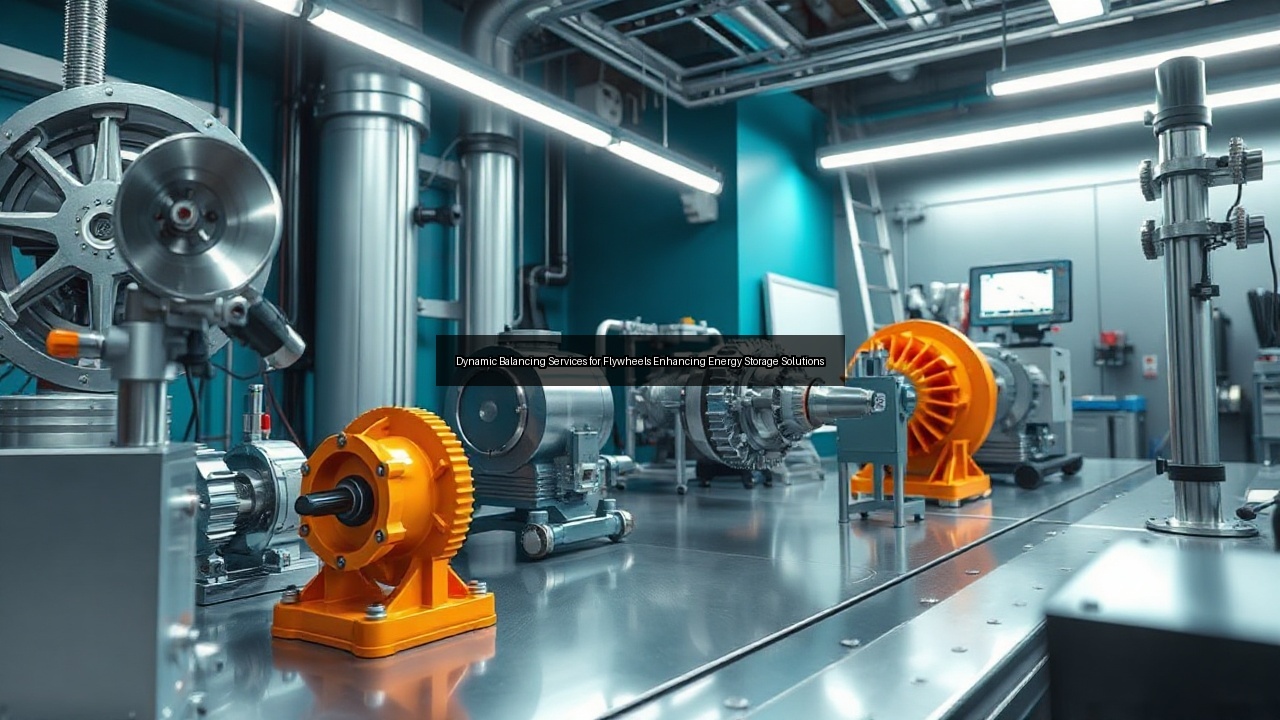
Understanding Dynamic Balancing Services for Flywheels
Importance of Dynamic Balancing in Energy Storage
Dynamic balancing services play a crucial role in optimizing energy storage solutions, particularly when it comes to flywheels. Flywheels serve as mechanical devices that store kinetic energy, enabling quick energy release and absorption. Proper dynamic balancing ensures that these systems operate efficiently and safely. An unbalanced flywheel can lead to excessive vibration, which not only reduces performance but can also result in premature wear and tear on components. By maintaining a precise balance, operators can enhance the lifespan of flywheel systems, reduce maintenance costs, and improve overall energy efficiency. This becomes particularly important in applications where reliability and performance are paramount, such as in energy grid stabilization and uninterruptible power supplies.
How Flywheels Benefit from Dynamic Balancing
Flywheels benefit significantly from dynamic balancing services, as these services address the inherent challenges posed by rotational motion. A well-balanced flywheel minimizes the effects of vibration, which can lead to operational inefficiencies. For instance, in energy storage systems, balanced flywheels can deliver energy more effectively, ensuring that the stored energy is utilized optimally. This translates to improved response times during energy demand spikes. Furthermore, dynamic balancing helps in achieving smoother operation, which is critical in applications like gas turbines and other machinery where stability is essential. Overall, dynamic balancing enhances the performance and reliability of flywheel systems, making them indispensable in modern energy solutions.
Key Principles of Motion in Flywheel Systems
The principles of motion in flywheel systems hinge on the concepts of inertia and angular momentum. Flywheels operate by converting energy into rotational motion, thus storing it for later use. The weight and shape of the flywheel directly influence its ability to maintain stability during operation. When dynamic balancing services are applied, engineers meticulously analyze these factors to ensure that the distribution of mass around the axis of rotation is uniform. This uniformity is vital for minimizing vibrations and maximizing efficiency. Additionally, understanding how motion affects wear and tear on components leads to better maintenance practices, reinforcing the importance of dynamic balancing in extending the operational life of flywheels.
Technical Aspects of Dynamic Balancing
Role of Weight and Shape in Balancing Flywheels
The weight and shape of a flywheel are fundamental to its performance, particularly in the context of dynamic balancing services. Engineers must carefully consider these factors during the design and balancing processes. An uneven distribution of weight can result in imbalances that induce vibrations, leading to decreased efficiency and potential damage to machinery. Dynamic balancing services involve precise calibrations to adjust the mass in a way that promotes even rotation. This may include adding or removing material in specific areas of the flywheel, ensuring that its shape adheres to the required specifications for balance. The effectiveness of these adjustments directly impacts the flywheel’s ability to store and release energy efficiently, thus enhancing overall energy storage solutions.
Vibration Analysis and Its Impact on Performance
Vibration analysis is an essential component of dynamic balancing services, as it allows engineers to identify and rectify imbalances in flywheel systems. Excessive vibrations can lead to significant performance degradation and potential mechanical failure. Advanced instrumentation and tools are employed to monitor vibration levels during operation. By analyzing the frequency and amplitude of these vibrations, technicians can pinpoint the exact locations of imbalances. This data informs the necessary adjustments to the flywheel, facilitating effective dynamic balancing. Implementing vibration analysis not only enhances the performance of flywheels but also aids in predictive maintenance, allowing operators to address issues before they escalate into costly repairs or downtime.
Nondestructive Testing Techniques: Thermography and Inspection
Nondestructive testing (NDT) techniques, including thermography and inspection, are vital in the realm of dynamic balancing services. These methods allow for thorough examination of flywheel systems without causing any damage. Thermography, for instance, enables technicians to detect temperature variations that may indicate friction or misalignment issues within the flywheel. Regular inspections using NDT techniques ensure that any potential problems are identified early, thus preventing catastrophic failures. By integrating these techniques into dynamic balancing services, organizations can maintain high-quality standards and ensure the reliability of their energy storage solutions. NDT not only enhances safety but also reinforces the importance of quality assurance in engineering practices related to flywheels.
Quality Assurance and Certification in Balancing Services
ISO 9001 Standards for Dynamic Balancing Services
ISO 9001 standards provide a framework for quality management systems, ensuring that dynamic balancing services meet rigorous quality assurance criteria. Compliance with ISO 9001 enhances the credibility of service providers, as it demonstrates a commitment to maintaining high levels of quality in all operational aspects. Organizations that adopt these standards can improve their processes, enhance customer satisfaction, and reduce waste. For dynamic balancing services, adherence to ISO 9001 means implementing systematic processes for calibration, inspection, and continuous improvement. This commitment to quality not only benefits service providers but also instills confidence in clients utilizing flywheel technology for energy storage solutions.
Calibration and Quality Control in Engineering
Calibration and quality control are integral to dynamic balancing services, ensuring that all measurements and adjustments are precise. Regular calibrations of instruments used in the balancing process maintain accuracy and reliability. In engineering, this means that the tools used to measure weight, shape, and vibration are consistently checked against known standards. Implementing strict quality control measures throughout the dynamic balancing process ensures that every flywheel meets the desired specifications for performance. This attention to detail in calibration and quality control translates to enhanced operational efficiency and extended lifespan for flywheel systems, ultimately benefiting the broader energy storage landscape.
The Importance of IEC Certification in Flywheel Applications
IEC certification plays a pivotal role in ensuring that dynamic balancing services for flywheels meet international safety and performance standards. The International Electrotechnical Commission (IEC) sets guidelines that govern the design, manufacturing, and installation of electrical and electronic equipment. For flywheel applications, IEC certification guarantees that the products and services provided adhere to stringent safety standards. This certification not only enhances the marketability of dynamic balancing services but also reassures clients that they are investing in reliable and efficient energy storage solutions. Compliance with IEC standards fosters innovation and promotes best practices within the industry, leading to enhanced performance in flywheel systems.
Applications and Innovations in Dynamic Balancing
Dynamic Balancing Adjustments for Gas Turbines
Dynamic balancing adjustments are critical in the operation of gas turbines, where precision and stability directly impact performance. Flywheels often support these systems by storing energy and smoothing out fluctuations in power output. Implementing dynamic balancing services ensures that the flywheels integrated with gas turbines operate at optimal levels, minimizing vibrations that could disrupt the turbine’s efficiency. These adjustments require a thorough understanding of the unique challenges posed by gas turbines, including high rotational speeds and varying loads. By focusing on the dynamic balance of motors within these systems, engineers can significantly enhance energy efficiency and operational reliability in gas turbine applications.
Integrating Dynamic Balance in Gear and Rotor Systems
Dynamic balance plays a vital role in the performance of gear and rotor systems across various industries. In applications ranging from automotive to aerospace, maintaining a precise balance in these components is crucial for reducing wear and tear while enhancing operational efficiency. Dynamic balancing services provide engineers with the means to adjust the weight and shape of gears and rotors, ensuring that they function optimally under varying conditions. This integration of dynamic balance not only improves performance but also extends the lifespan of these critical components, leading to reduced operational costs and increased reliability in energy storage systems and other machinery.
Future Trends in Dynamic Balancing for Energy Solutions
The future of dynamic balancing services for energy solutions looks promising, driven by advancements in technology and increasing demand for efficient energy storage. Emerging trends include the integration of smart sensors and IoT technology, enabling real-time monitoring and adjustments of flywheel systems. As industries continue to prioritize sustainability and efficiency, dynamic balancing will play an essential role in optimizing energy storage solutions. Innovations in materials and design will enhance the capabilities of flywheels, leading to further improvements in performance and reliability. The continuous evolution of dynamic balancing services will ensure that they remain at the forefront of energy storage technology, addressing the challenges of tomorrow’s energy landscape.
See Also
- Unlocking Efficiency with Dynamic Balancing Services for High-Performance Machines
- Exploring the Connection Between Dynamic Balancing and ISO 9001 Compliance
- Harnessing Thermography in Dynamic Balancing Inspections for Enhanced Precision
- Elevating Motion Stability with Advanced Dynamic Balancing Techniques
- The Impact of Dynamic Balancing on Gear Performance and Engineering