Why Swiss Machining is the Go-To Solution for Precision Parts
The Principles of Swiss Machining
Understanding Swiss Lathes and Their Mechanisms
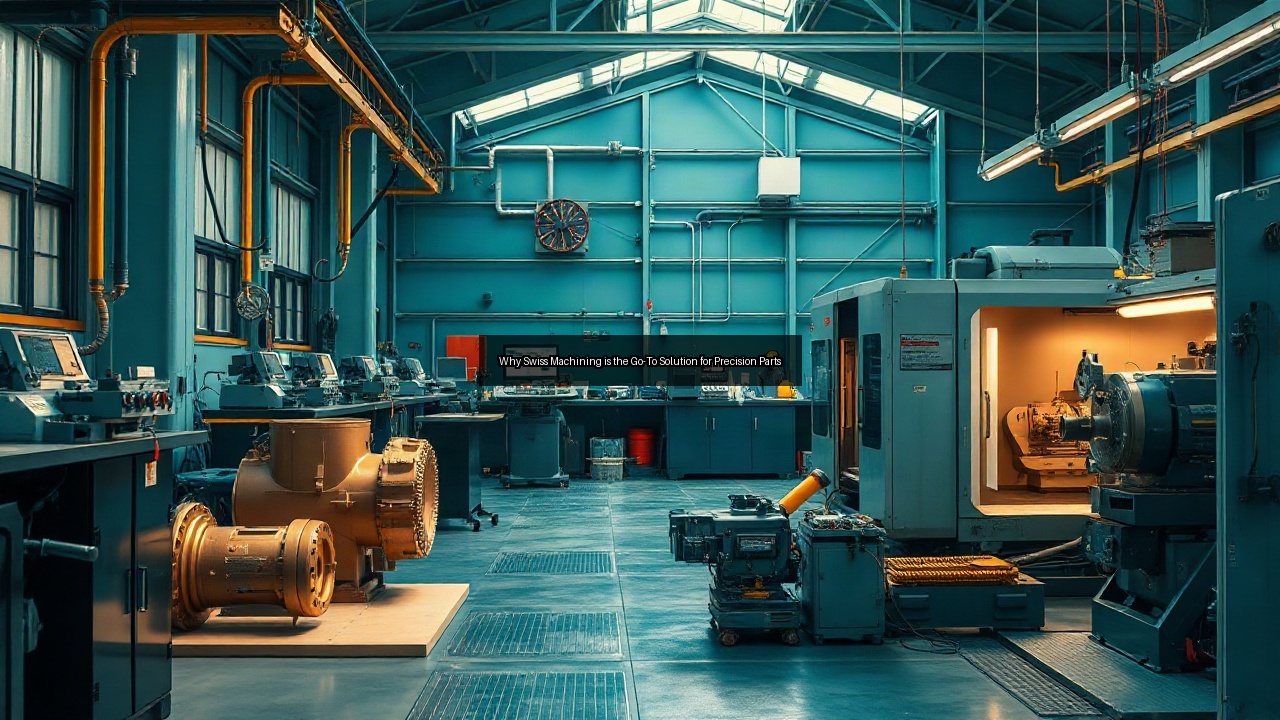
Swiss lathes operate with a unique guide bushing that supports the workpiece close to the cutting tool. This setup minimizes deflection during high-speed operations and allows for exceptional control over long, slender parts. Operators feed bar stock through the machine while the headstock slides along the Z-axis. The result delivers consistent diameters and tight tolerances across multiple features in a single setup. Swiss machining excels when producing components that demand repeated accuracy without secondary finishing steps.
Machine shops rely on this mechanism to handle complex profiles that traditional lathes struggle to maintain. The synchronized movement between the tool and the rotating bar reduces vibration and improves surface finishes. Technicians program precise tool paths that follow the material's natural support, which prevents chatter even at aggressive feed rates. This core principle makes swiss lathe technology the foundation for many precision applications.
Key Components of Swiss Machining Equipment
Modern swiss machining equipment includes a sliding headstock, guide bushing, live tooling stations, and sub-spindle for back-working operations. The guide bushing maintains rigidity while the bar advances, and live tools perform milling, drilling, and threading without repositioning the part. Coolant systems deliver high-pressure fluid directly to the cutting zone to extend tool life and evacuate chips efficiently.
Additional elements such as automatic bar feeders and parts catchers increase continuous run times. Control units manage multiple axes simultaneously, coordinating main spindle, sub-spindle, and turret movements. These components work together to support high-volume production while preserving micron-level accuracy on each machined feature.
Differences Between Swiss and Traditional CNC Machines
Swiss style lathes differ from standard cnc machines because the guide bushing supports material right at the cut point. Traditional setups hold the workpiece farther from the tool, which introduces flex on longer parts. Swiss machines complete multiple operations in one cycle, reducing handling and setup time compared with conventional turning centers.
Productivity rises when shops process complex geometries that would otherwise require several machines. Swiss turning also handles smaller diameters with greater stability, while standard cnc machines suit larger stock and simpler profiles. The distinction influences machine selection based on part length, tolerance requirements, and production volumes.
Advantages of Swiss Machining for Precision Parts
High Precision and Accuracy in Machining
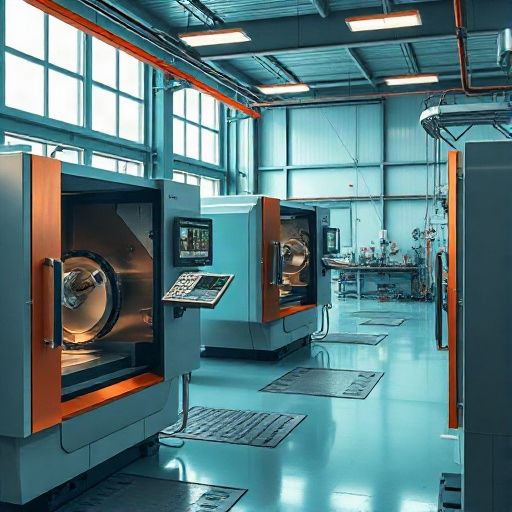
Swiss machining delivers tolerances as tight as ±0.0002 inches on diameters and lengths. The supported cutting zone keeps tools engaged without deflection, producing consistent results across thousands of parts. This level of accuracy suits components that must fit into assemblies with minimal clearance, such as connectors and valve seats.
Shops achieve repeatable quality because the process eliminates cumulative errors from multiple setups. Measurement data from in-process probes confirms dimensions remain stable throughout the run. Manufacturers count on swiss precision machining when specifications leave no room for variation.
Efficiency in Tooling and Setup
Tooling changes occur quickly on swiss machines thanks to modular holders and preset tooling systems. Operators load programs that already account for offsets, shortening initial setup compared with older screw machines. Once running, the single-cycle approach completes turning, milling, and drilling without moving the part between machines.
Reduced setup time directly improves overall equipment effectiveness. Shops process smaller batch sizes profitably because changeovers take minutes rather than hours. Efficient tooling strategies also extend insert life through optimized chip loads and coolant delivery.
Reduced Waste and Enhanced Material Utilization
Swiss machining minimizes material waste by machining close to the finished dimensions from the start. The guide bushing reduces the need for excess stock length, and optimized tool paths cut only what is required. Bar remnants stay short because the machine consumes nearly the entire length of each bar.
Material utilization improves further when running high-value alloys such as nickel or titanium. Lower scrap rates translate into cost savings that compound across large production volumes. Shops report higher yields without sacrificing the tight geometries demanded by customers.
Applications of Swiss Machining Across Industries
Aerospace Component Manufacturing
Aerospace manufacturers choose swiss machining for hydraulic fittings, sensor housings, and actuator pins that require extreme reliability. The process handles tough materials like Inconel and titanium while maintaining the concentricity needed for flight-critical systems. Parts often feature multiple diameters, threads, and cross-holes completed in one operation.
Strict traceability requirements align well with the repeatable nature of cnc swiss machining. Shops document every tool change and offset adjustment to satisfy certification audits. This capability supports both prototype runs and sustained production for commercial and defense programs.
Medical Device Production
Medical device companies depend on swiss machining to produce surgical instruments, implant components, and catheter tips from biocompatible materials. The process creates smooth surfaces that reduce tissue trauma and meet stringent cleanliness standards. Small diameters and intricate features common in minimally invasive tools fit naturally within swiss capabilities.
Validation protocols benefit from the stable process window that swiss machines provide. Consistent output across lots simplifies regulatory submissions and speeds time to market. Machine shops serving this sector maintain dedicated clean areas to protect finished parts from contamination.
Automotive Industry Applications
Automotive suppliers use swiss machining for fuel injector components, transmission valves, and sensor bodies that must withstand high pressure and temperature cycles. The process supports both prototype development and high-volume runs of precision parts that affect vehicle performance and emissions compliance.
Quick changeovers allow manufacturers to shift between part numbers without extended downtime. Swiss turning also accommodates the growing use of lightweight alloys in electric vehicle systems. These advantages keep swiss machining competitive against alternative production methods in the automotive supply chain.
Innovations in Swiss Machining Technology
Role of Automation in Modern Machining
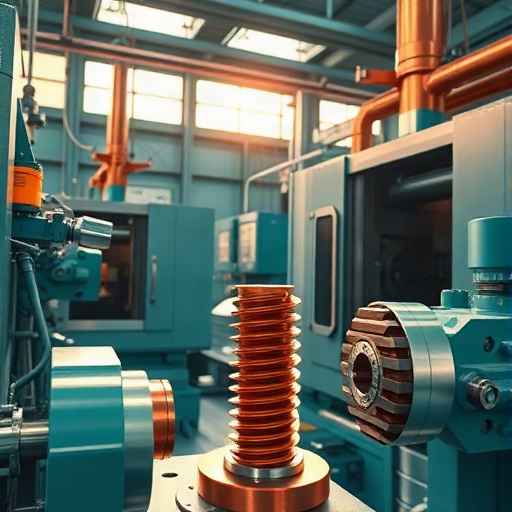
Automation integrates bar feeders, robotic part handling, and in-machine inspection to extend unattended operation. Swiss machines equipped with these systems run through nights and weekends, boosting overall productivity. Shops monitor multiple machines from a central dashboard that alerts staff only when intervention is required.
Automated tool monitoring detects wear before it affects part quality. This proactive approach reduces scrap and protects expensive tooling investments. Manufacturers scale output without adding proportional labor when automation handles routine tasks.
The Impact of Advanced Software on Production
Advanced software simulates tool paths and detects collisions before the first chip is cut. CAM packages optimized for swiss machining generate efficient code that accounts for guide bushing constraints and simultaneous operations. Real-time data collection feeds into statistical process control systems that maintain quality across long runs.
Operators adjust parameters on the fly through intuitive interfaces that reduce programming errors. Software also manages tool life tracking and automatic offset compensation, keeping production stable without constant manual intervention. These digital tools shorten lead times from design to finished parts.
Emerging Trends in Swiss CNC Machining
Emerging trends include hybrid machines that combine swiss turning with laser marking or additive features in the same cycle. Five-axis capabilities expand the range of geometries that can be completed without repositioning. Connectivity features enable predictive maintenance that prevents unplanned downtime.
Shops explore sustainable practices such as minimum-quantity lubrication and energy-efficient drives. These developments keep swiss cnc machining relevant as industries demand faster turnaround and greater flexibility from their precision partners.
Choosing the Right Swiss Machining Solutions
Selecting the Appropriate Machines for Your Needs
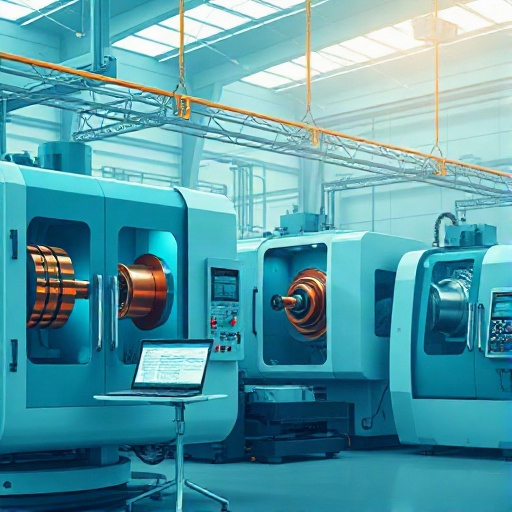
Selecting machines starts with evaluating part diameter range, length, and feature complexity. Smaller swiss machines suit watch components and medical needles, while larger models handle automotive shafts and aerospace fittings. Shops match spindle power and tooling capacity to the materials and tolerances required.
Consider future growth when choosing between fixed-headstock and sliding-headstock configurations. Modular designs allow later addition of live tooling or sub-spindles as part portfolios expand. Proper selection prevents bottlenecks and maximizes return on equipment investment.
Understanding Different Geometries and Their Requirements
Complex geometries with multiple diameters, threads, and milled flats benefit most from swiss machining. The guide bushing supports thin sections that would otherwise bend under cutting forces. Parts with deep holes or cross-drilling need machines equipped with high-pressure coolant and specialized tooling.
Designers consult machine shops early to align part geometries with available capabilities. Small adjustments in feature placement can reduce cycle time and improve tool access. This collaboration ensures the final design machines efficiently while meeting all functional specifications.
Evaluating Production Volumes and Cost-Effectiveness
Production volumes influence whether dedicated swiss machines or multi-tasking centers deliver the best economics. High volumes favor swiss turning for its speed and minimal handling. Lower volumes still prove viable when quick setups and single-cycle completion reduce total lead time.
Cost analysis includes tooling life, scrap rates, and labor hours per part. Shops calculate break-even points that account for material prices and required inspection frequency. The right solution balances these factors to achieve competitive pricing without compromising quality on every order.